You’ve cut out aged cheeses, gone easy on the wine, given up leftovers. You’ve read every list of high-histamine foods. You’ve done the diet. And still, here you are — breaking out, feeling bloated, brain fogged, dizzy, or just generally terrible. If this sounds familiar, I want you to know: you’re not imagining it, and you’re not failing.
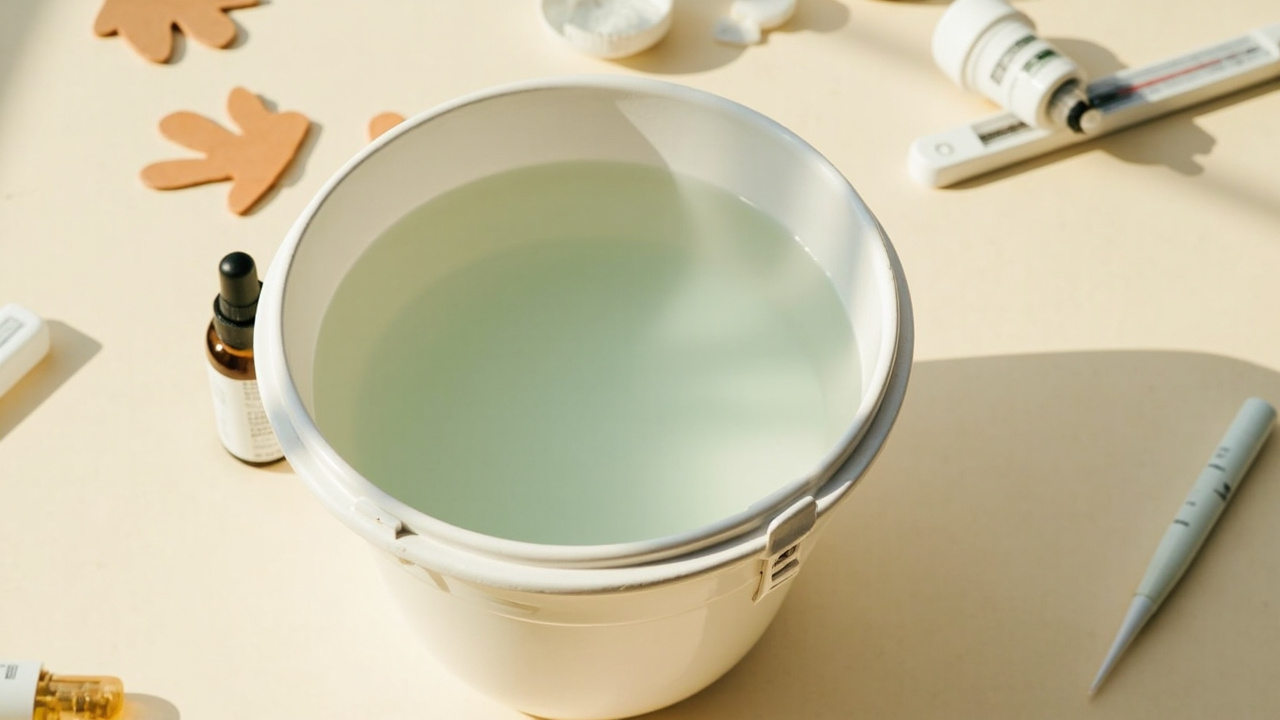
Most histamine intolerance advice zeroes in on food. And yes, food matters. But here’s the thing — food is only one faucet filling your histamine bucket. Stress, hormones, mold, medications, temperature — all of these can pour histamine into your system regardless of how perfectly you eat. That’s what this post is about.
Your Histamine Bucket Has More Than One Faucet
Before we go further, let’s talk about the bucket model briefly. Your body produces histamine naturally. An enzyme called DAO breaks it down. When the histamine coming in exceeds what your body can clear, you get symptoms — the bucket overflows.
Most people focus on the food faucet. Histamine-rich foods like aged cheese, fermented products, and certain fish definitely add to the load. But here’s what gets overlooked: your body also makes histamine internally, mostly from mast cells. These are immune cells that store histamine and release it in response to various signals, and not all of those signals come from food.
Non-food triggers can activate your mast cells directly, causing your body to dump histamine into the bloodstream even if you haven’t eaten a single high-histamine meal. So while you’re watching what you eat, other faucets might be running full blast. Let’s look at the main ones.
Stress and Cortisol: The Overlooked Trigger
This is one of the most common things I hear from people: “I ate perfectly for a week, then had one stressful day and felt terrible.” That’s not coincidence. Chronic stress raises cortisol, and cortisol has a direct effect on mast cells.
When you’re stressed, really stressed, not just busy, your body is in survival mode. Cortisol signals your mast cells to release more histamine. Research shows that stress exposure increases circulating histamine in susceptible people. Your perfectly clean diet gets overshadowed by an afternoon of anxiety or a sleepless night.
This is why I do not love the advice to just “relax” when someone is struggling with histamine intolerance. It is not helpful to hear “do not stress” when you are already dealing with symptoms that make life hard. What IS useful is building actual practices that help your nervous system shift gears.
What helps: Things that activate your parasympathetic nervous system, the rest-and-digest mode. Slow breathing, specifically the 4-7-8 technique (inhale for 4, hold for 7, exhale for 8) can dial down cortisol quickly. Regular practices like walking, gentle yoga, or time outdoors matter more than one-off panic attacks at relaxation. Prioritizing sleep is not self-care fluff. It is a legitimate part of managing histamine. If you are eating clean but burning the candle at both ends, you are still going to overflow.
Estrogen and Hormonal Fluctuations
If you are a woman and you notice your symptoms shift throughout your menstrual cycle, pay attention to that. Estrogen has a complicated relationship with histamine.
Here is what happens. Estrogen stimulates mast cells to release more histamine. At the same time, estrogen also reduces the activity of DAO, the enzyme that clears histamine. So you get a double hit: more histamine being produced and less being broken down.
This is why many women first develop histamine intolerance symptoms during perimenopause. Estrogen levels fluctuate wildly during this transition, and for some women, the histamine connection becomes impossible to ignore. It is not in your head. It is not stress (well, not just stress). The hormonal chemistry is shifting in a way that affects your histamine system directly.
What helps: Tracking your symptoms alongside your cycle can reveal patterns. If you know week three of your cycle tends to be rough, you can plan accordingly. Be stricter with other triggers, prioritize rest, give yourself grace. Some people find hormone-aware protocols helpful, where diet and supplement support are adjusted based on where you are in your cycle. This is worth discussing with a practitioner who understands the histamine-hormone connection.
Mold and Environmental Triggers
This one does not get enough attention. Mold is a significant mast cell activator. Water-damaged buildings, damp environments, areas with poor ventilation, these can keep your mast cells triggered constantly, even if you have never eaten a high-histamine food in your life.
The mechanism here is sometimes called bilateral mast cell activation. Your immune system reacts to mold particles, and mast cells respond by releasing histamine and other inflammatory mediators. If you live or work in a damp space, you are essentially running a low-grade histamine faucet all day.
Beyond mold, fragrance chemicals are a direct trigger for many people. Synthetic perfumes, cleaning products with strong scents, air fresheners, laundry detergent, these contain compounds that can activate mast cells on contact or inhalation. This is not about smell being unpleasant. The chemicals themselves interact with mast cell signaling in sensitive people.
What helps: An environmental audit is practical here. Check for dampness, water damage, or mold in your home, behind furniture, under sinks, in basements. Improving ventilation helps. Switching to fragrance-free cleaning products and skipping synthetic perfumes is a simple change that removes a daily trigger for many people. An air purifier with a HEPA filter can make a difference if you are in a space you cannot otherwise control.
Medications That Worsen Histamine Symptoms
This one catches people off guard. Some medications interfere with DAO or directly trigger mast cell degranulation, and you might be taking them without realizing they are working against you.
Proton pump inhibitors (PPIs) and antacids are a classic example. Many people with histamine intolerance have gut symptoms and end up on these medications, only to find their histamine issues do not improve. The irony is that PPIs reduce stomach acid, which decreases DAO activity in the gut. You are trying to help your digestion, but you are also reducing one of your histamine-clearing mechanisms. It is a frustrating loop.
Non-steroidal anti-inflammatory drugs (NSAIDs) like ibuprofen and aspirin can trigger mast cell activation in some people. Certain antidepressants, especially tricyclics, and some blood pressure medications can also play a role.
What helps: If you are on regular medications and struggling with histamine symptoms, it is worth reviewing them with your doctor or pharmacist. Do not stop anything prescribed. But ask questions. There may be alternatives that do not affect histamine pathways. Pharmacists are often more familiar with these interactions than GPs and can be a good first step.
Exercise and Temperature Extremes
Heat activates mast cells. This is not controversial. Histamine plays a role in thermoregulation, and exposure to heat triggers histamine release in everyone. For people with histamine intolerance, a hot bath, a sauna session, or even just exercising in a warm environment can cause symptoms.
Intense exercise can also be a trigger, particularly high-intensity or endurance exercise. The mechanisms are not fully understood, but exercise-induced histamine release is documented. Some people react during the workout, others notice symptoms an hour or two later.
What helps: Pacing matters more than pushing through. Exercising in cooler environments, early morning or evening, air-conditioned spaces, can reduce the heat trigger. Swimming is often well-tolerated because the water keeps body temperature stable. If you do exercise and notice symptoms afterward, that is useful data. You do not have to stop, but you might benefit from adjusting intensity or timing.
Frequently Asked Questions
Can histamine intolerance be caused by non-food triggers alone?
Yes, though it is usually a combination. If you have significant stress, hormonal fluctuations, or environmental mold exposure, you can develop histamine intolerance symptoms without a dietary trigger being the primary issue. Many people improve significantly once they address non-food triggers even without major dietary changes.
How do I know if stress is triggering my symptoms?
A good indicator is timing. If your symptoms consistently worsen during or after stressful periods, even when your diet has not changed, stress is likely a contributor. Keeping a symptom log that includes stress levels can reveal patterns that are not obvious in the moment.
Are there tests for mast cell activation?
There are some tests available, but they have limitations. Serum tryptase and urinary histamine metabolites are sometimes used. More specialized tests like blood basophil activation or flow cytometry for mast cell markers exist but are not widely available. A mast cell activation syndrome (MCAS) diagnosis often involves ruling out other causes and observing symptom patterns rather than relying on a single test. This is an area where working with a knowledgeable practitioner matters.
Should I see a specialist?
If you are struggling to identify your triggers or your symptoms are significantly affecting your quality of life, a functional medicine practitioner, allergist, or immunologist familiar with mast cell disorders can help. Not all doctors are up to date on histamine intolerance or MCAS, so it can take some searching to find someone who understands what you are dealing with.
The Bottom Line
Histamine management is not just about food. If you have been dutifully following a low-histamine diet and still feel awful, it is worth looking at the other faucets. Stress, hormones, mold, medications, temperature, and exercise all play a role. The goal is not perfection. It is about reducing your total load across all areas so your body can catch up.
Layered approaches work better than single-intervention thinking. You might need to address several areas at once to see meaningful improvement. And if you are feeling lost or stuck, consider starting with a symptom tracker to map out patterns over time. That is often the first step toward figuring out what is really driving your reactions.
Work with a practitioner who gets it, someone who can help you piece together the full picture rather than zeroing in on diet alone.