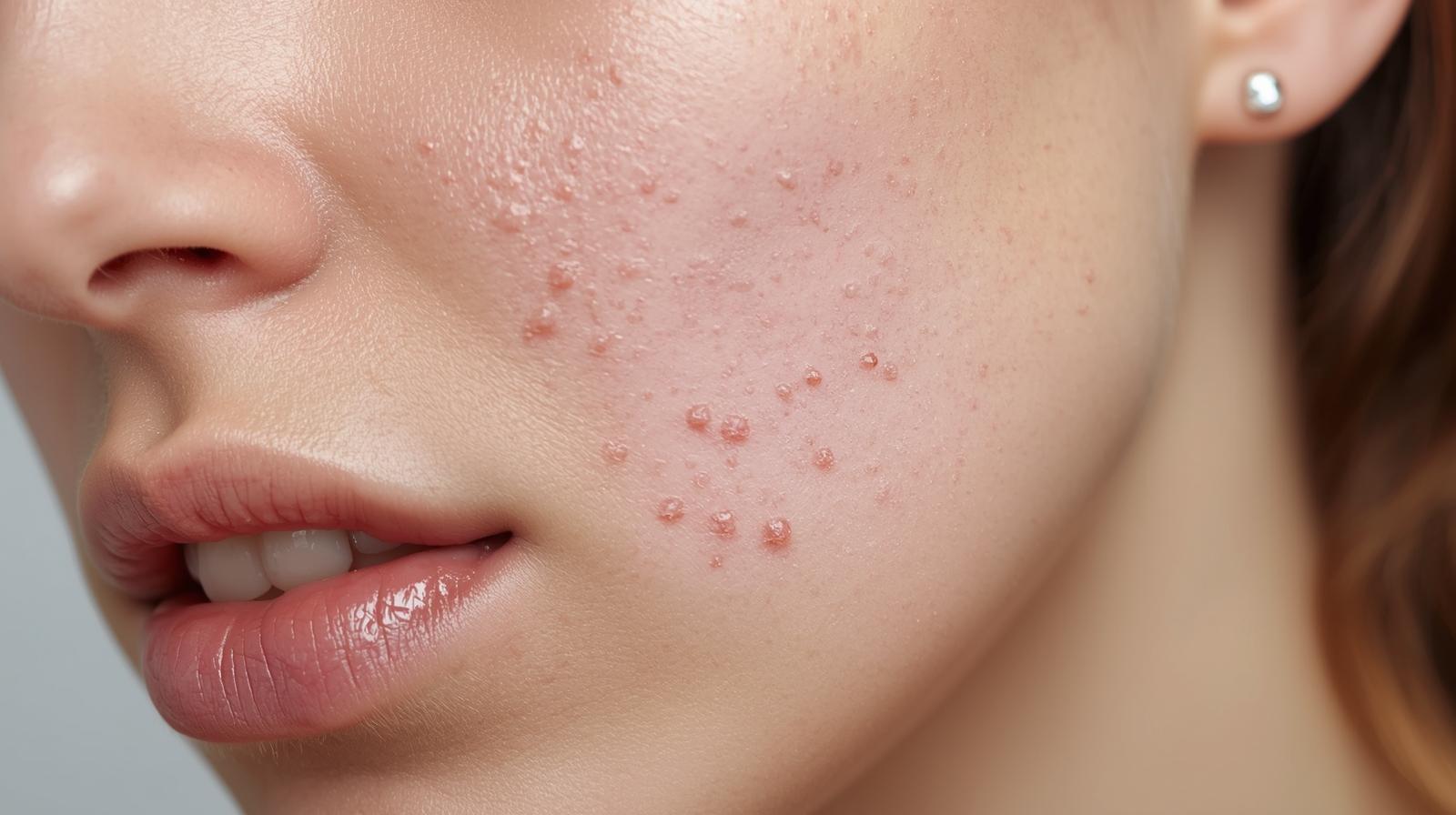
You’ve tried every eczema cream. You’ve changed your detergent, your soap, your moisturizer. Yet the redness, the itching, the mysterious bumps keep coming back.
What if it’s not eczema at all? What if histamine is the hidden culprit?
When It’s Not Eczema
Histamine affects your skin in ways that look like eczema but aren’t treated the same way. The difference is:
- Eczema = inflammatory skin condition requiring topical treatment
- Histamine reactions = internal overload requiring dietary and systemic changes
The Signs It’s Histamine
Your skin might be reacting to histamine if you notice:
Chronic Hives (Urticaria)
Those itchy red welts that appear suddenly and move around? Classic histamine. They can last hours or days and often appear without any obvious trigger.
Facial Flushing
A red face after eating, especially after wine, cheese, or spicy foods. Your face feels hot and looks sunburned - but it’s not sunburn.
Unexplained Redness
Redness that comes and goes, often on your neck, chest, or face. It might be triggered by temperature changes, stress, or certain foods.
Itching Without Rash
You feel intensely itchy but there’s nothing to see. This is histamine stimulating your nerve endings.
Lip Swelling
Swollen lips after eating, especially with no other allergic signs. This is a histamine response, not a typical allergy.
Why Antihistamine Creams Don’t Work
Here’s the frustrating part: topical antihistamines rarely work for these issues because the problem isn’t local to your skin. It’s systemic. Your body is producing or absorbing too much histamine, and your skin is showing the overflow.
What Actually Helps
- Identify your triggers - Keep a food-symptom journal
- Support DAO production - Vitamin B6, magnesium, gut health
- Lower overall histamine load - The bucket concept applies here too
- Consider quercetin - A natural mast cell stabilizer
- Address gut health - Leaky gut increases histamine absorption
When to See a Doctor
Persistent skin issues warrant medical attention. Request:
- Blood test for diamine oxidase (DAO) levels
- Skin prick test for histamine
- Trial of high-dose vitamin C
The Bottom Line
If eczema treatments aren’t working, consider histamine. Your skin might be trying to tell you something about what’s happening inside your body.
The solution isn’t more creams - it’s understanding what’s flooding your system in the first place.